First, understand the cost of interior house painting by looking at the size of your home, the number of rooms, and the condition of your walls. Painters charge differently when you need full wall coverage, extra ceilings, or detailed work in hallways and stairwells. Therefore, you get a more accurate budget when you count every surface you want painted before you request a quote.

cost of interior house painting
Next, the surface condition affects your price. If your walls show cracks, stains, water damage, or old flaky paint, you need preparation before painters apply colour. Additionally, you may require patching, sanding, priming, and caulking to achieve a clean finish. As a result, homes with lots of repairs usually cost more than homes with smooth, ready-to-paint walls.
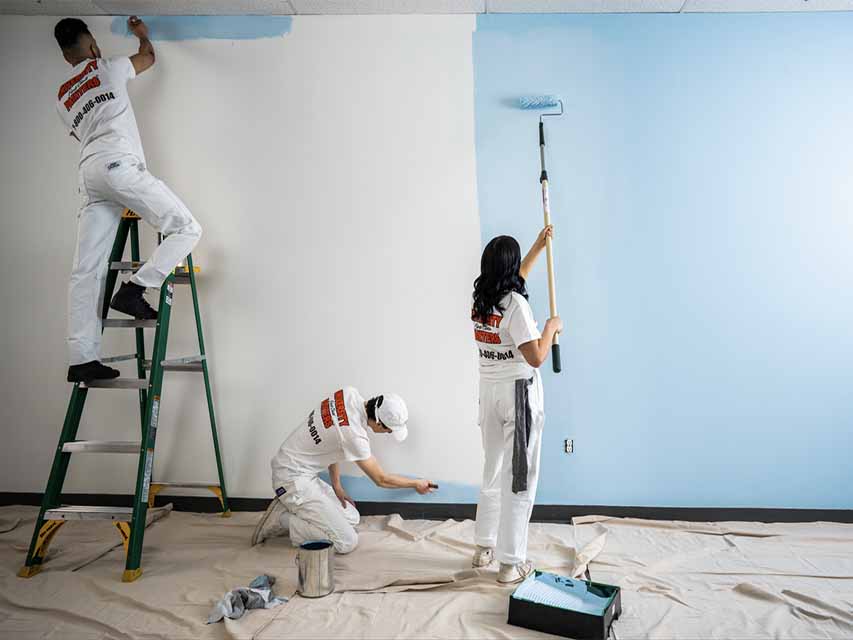
Also, labour rates and job complexity play a big role in interior painting cost. Painters spend more time on trim, doors, skirting boards, feature walls, and hard-to-reach areas. In addition, you may request faster scheduling, colour consultation, or deeper cleaning after the work. Therefore, your total cost reflects both the amount of work and the level of detail you want.

Furthermore, you should consider paint type and number of coats. Most projects use quality interior paint plus a primer when walls need bonding or stain blocking. Moreover, painters often apply two coats for even coverage, especially in darker colours or on bold colour changes. Consequently, your choice of finish—matt, eggshell, satin, or semi-gloss—can also influence the overall cost

Finally, you can control your interior house painting budget with simple planning. Clear furniture, protect floors, and confirm which areas you want included before the crew arrives. Then, request an itemized quote so you understand preparation, materials, labour, and cleanup. So contact a local painting team today, compare quotes, and book a timeline that fits your budget and your style.